Roman Shade Cleaning in Billings, MT
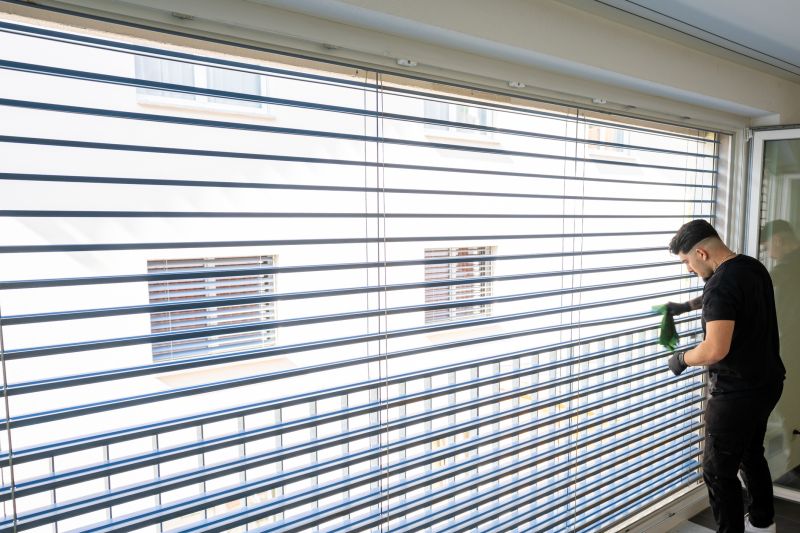
Roman shade cleaning services involve the careful removal of dust, dirt, and stains from fabric window coverings that feature a distinctive, layered design. These services typically cover a range of projects, including routine maintenance, stain removal, and deep cleaning for Roman shades made from various materials such as linen, cotton, or silk. Homeowners often seek this service to refresh the appearance of their window treatments, improve indoor air quality, and extend the lifespan of their shades, especially in homes with high traffic or allergy sensitivities.
Before requesting Roman shade cleaning, property owners usually want to understand the specific cleaning methods used and whether the process is safe for delicate fabrics. It’s also common to inquire about the types of stains that can be addressed and if any special care is needed to prevent damage during cleaning. Clarifying these details helps ensure that the shades are properly cared for and remain in good condition after the cleaning process.
Many property owners in Billings, MT look into Roman Shade Cleaning for repairs, replacements, upgrades, and appearance-related improvements.
Deep Cleaning For Roman Shades
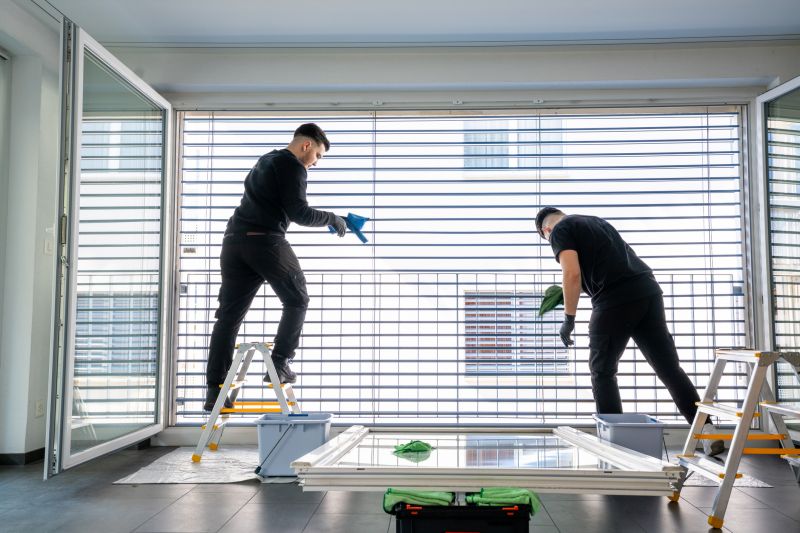
Specialized cleaning methods restore brightness and remove embedded dirt from fabric and wood components.
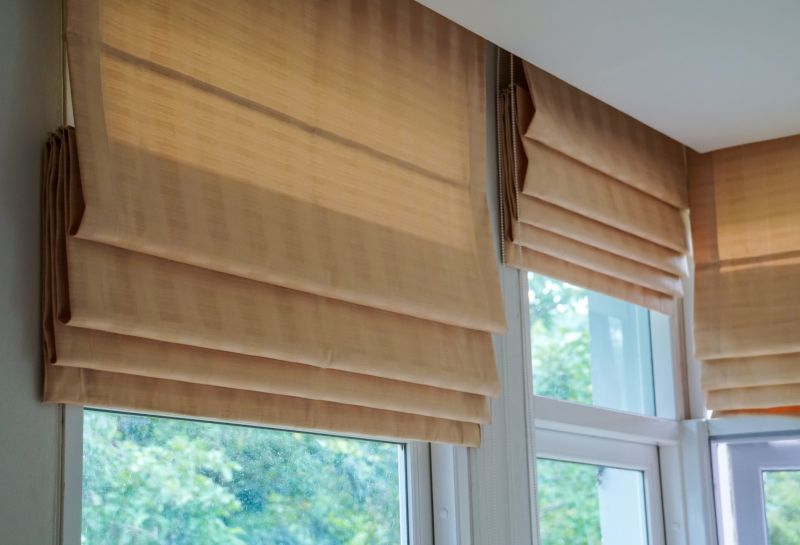
Stain And Spot Removal
Effective treatments target common stains like spills and dust buildup on various roman shade materials.
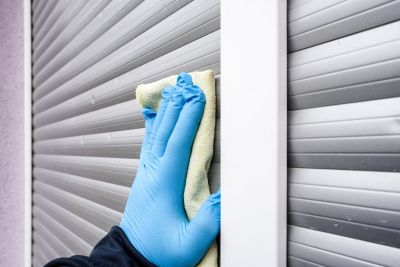
Maintenance And Care Tips
Professional cleaning helps extend the lifespan of roman shades and maintain their appearance over time.
Roman Shade Cleaning in Billings, MT
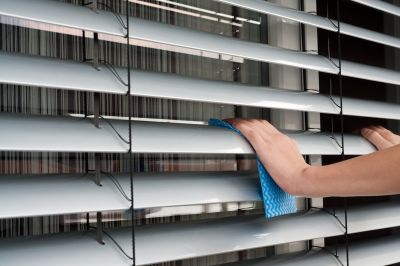
Roman shade cleaning services involve the careful removal of dust, dirt, and stains from fabric window coverings that feature a distinctive, layered design. These services typically cover a range of projects, including routine maintenance, stain removal, and deep cleaning for Roman shades made from various materials such as linen, cotton, or silk. Homeowners often seek this service to refresh the appearance of their window treatments, improve indoor air quality, and extend the lifespan of their shades, especially in homes with high traffic or allergy sensitivities.
Before requesting Roman shade cleaning, property owners usually want to understand the specific cleaning methods used and whether the process is safe for delicate fabrics. It’s also common to inquire about the types of stains that can be addressed and if any special care is needed to prevent damage during cleaning. Clarifying these details helps ensure that the shades are properly cared for and remain in good condition after the cleaning process.
Many property owners in Billings, MT look into Roman Shade Cleaning for repairs, replacements, upgrades, and appearance-related improvements.
Common Roman Shade Cleaning Jobs
Roman Shade Cleaning - removes dust, dirt, and stains to restore fabric appearance.
Deep cleaning - targets embedded debris that regular dusting can’t eliminate.
Stain removal - safely lifts spots and discoloration from delicate fabric surfaces.
Dust and allergen removal - improves indoor air quality by cleaning fabric blinds thoroughly.
Fabric refreshment - revitalizes the look and texture of Roman shades.
Maintenance cleaning - extends the lifespan of window treatments through regular care.

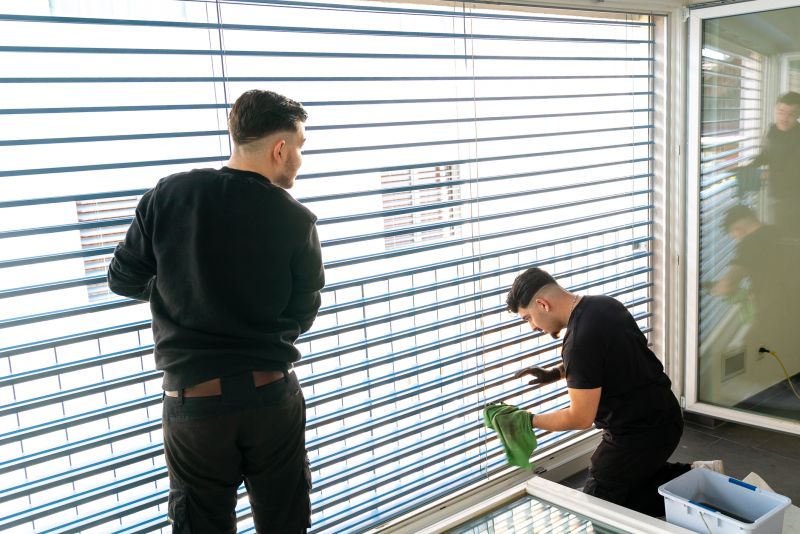
Roman Shade Cleaning Questions
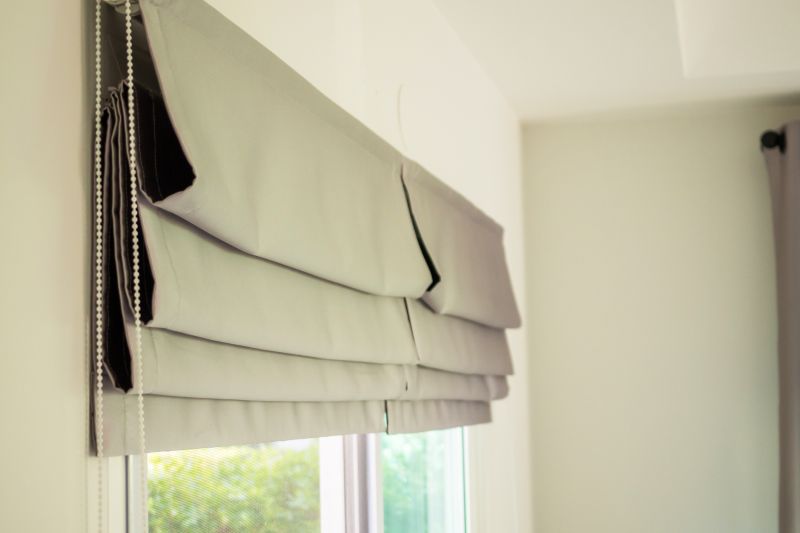
How are Roman shades cleaned? Roman shades are typically cleaned through gentle vacuuming and spot cleaning to remove dust and stains without damaging the fabric or structure.
Can Roman shades be cleaned without removing them? Yes, light cleaning can often be done while the shades are hanging, using specialized tools to avoid damage.
Are there any cleaning methods to avoid? Harsh chemicals, excessive moisture, and abrasive scrubbing should be avoided to prevent fabric damage or color fading.
How often should Roman shades be cleaned? Regular dusting and spot cleaning are recommended every few months to maintain their appearance and condition.
Request Roman Shade Cleaning in Billings, MT
Use the quote form on this page to share the basics of your project and request more information for the type of work you need.